Mobile Financial Services are Driving Financial Inclusion and Digital Finance
Mobile Financial Services and the Expansion of Financial Inclusion
Despite sustained technological progress, financial exclusion remains a structural global issue. Billions of individuals lack access to formal banking infrastructure, limiting their ability to save securely, obtain credit, or participate fully in economic activity. Mobile Financial Services (MFS) have emerged as a scalable response to this gap. By leveraging mobile connectivity, digital wallets, and microfinance platforms, MFS is lowering entry barriers and extending structured financial access to unbanked and underbanked populations.
Connecting the Unbanked to Formal Finance
Traditional banking systems often struggle to operate in remote or low-income regions due to infrastructure costs and limited branch networks. MFS bypasses these constraints by enabling core financial functions through mobile devices. Users can transfer funds, pay bills, store value, and access microcredit without maintaining a conventional bank account.
This shift reduces reliance on cash-based transactions and integrates previously excluded individuals into traceable, regulated financial ecosystems. As digital transaction histories accumulate, users begin to establish financial identities, which can unlock broader economic opportunities.
Supporting Entrepreneurs and Small Enterprises
Access to capital remains a primary constraint for small businesses in developing markets. MFS platforms address this through microloans, mobile-based payment systems, and digital financial management tools. Entrepreneurs can accept electronic payments, track cash flow, and access short-term financing without navigating complex banking procedures.
By reducing transaction friction and enhancing liquidity management, MFS strengthens operational stability and improves revenue predictability. This contributes directly to local economic expansion and job creation.
Advancing Gender Equity in Financial Access
In many regions, women face structural barriers to traditional banking, including documentation requirements, mobility restrictions, and sociocultural limitations. Mobile-based financial services provide a discreet and independent channel for savings, payments, and credit access.
Direct control over digital accounts enhances financial autonomy and supports income-generating activities. Evidence across multiple markets shows that when women gain financial access, household welfare indicators—including education and health outcomes—tend to improve.
Improving Government Transfers and Social Protection
Public institutions and humanitarian agencies increasingly rely on mobile financial platforms to distribute welfare payments, subsidies, and emergency assistance. Digitized transfers reduce administrative inefficiencies, limit leakage, and enhance transparency.
During crisis periods such as public health emergencies or natural disasters, mobile-based disbursement systems allow rapid fund deployment without requiring physical distribution channels. This improves response time and strengthens accountability in public financial management.
Strengthening Rural and Agricultural Economies
Rural communities frequently encounter limited access to credit, insurance, and market infrastructure. MFS introduces mobile payment systems, microinsurance products, and seasonal financing tools tailored to agricultural cycles.
Farmers can receive digital payments for produce, access working capital, and invest in productivity-enhancing inputs. Over time, these tools reduce income volatility and support more resilient rural economies.
Enhancing Remittance Efficiency
For migrant workers, remittances are a critical financial lifeline for families. Conventional cross-border transfer systems can be slow and expensive. Mobile financial platforms streamline this process through digital channels that reduce fees and accelerate settlement times.
Lower-cost remittance corridors increase the proportion of funds reaching households, supporting consumption, education, and small-scale investment in receiving communities.
Expanding Credit and Savings Mechanisms
Access to formal credit typically depends on established credit histories, which many unbanked individuals lack. MFS providers increasingly use alternative data sources—such as mobile transaction behavior and payment patterns—to assess creditworthiness.
Simultaneously, mobile savings tools encourage structured financial planning. Automated deposits and digital savings accounts promote discipline and facilitate preparation for emergencies, education expenses, or business development.
Technology as an Enabler of Secure Scale
Emerging technologies reinforce the integrity and scalability of MFS ecosystems. Artificial intelligence supports fraud detection, credit modeling, and personalized financial recommendations. Blockchain infrastructure enhances transaction transparency and settlement security. Biometric authentication strengthens user verification while reducing identity-related fraud.
These innovations collectively improve trust, operational efficiency, and regulatory compliance within expanding digital finance networks.
The Road Ahead
Future progress in financial inclusion will depend on continued innovation in digital identity systems, real-time payment infrastructure, and interoperable regulatory frameworks. Strategic collaboration between governments, fintech firms, telecommunications providers, and development organizations will be essential to extend MFS coverage sustainably.
Mobile Financial Services are redefining access to finance at a structural level. By delivering secure, affordable, and scalable digital solutions, MFS not only improves individual financial management but also supports broader economic participation. As adoption deepens, its role in building inclusive and resilient financial systems will continue to expand.
Latest Blog
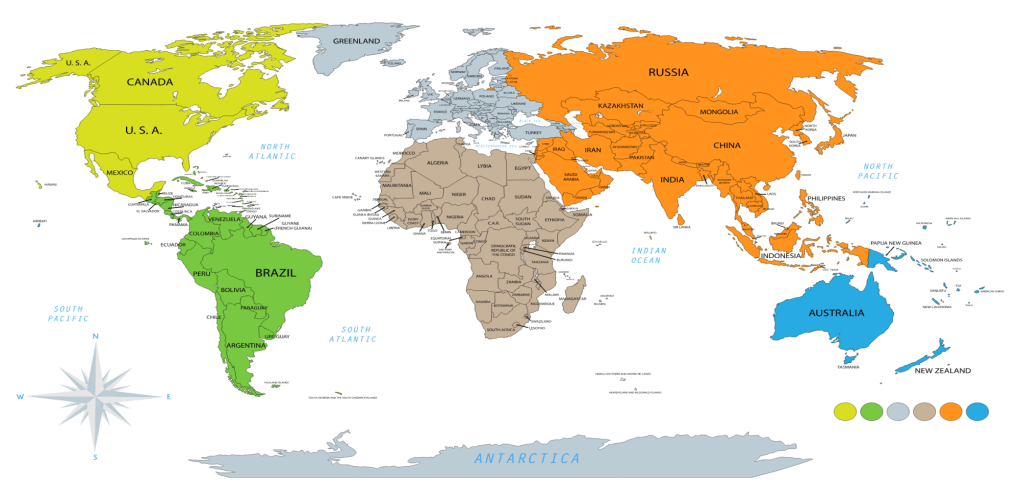
Countries Supported by ChiwawaPay
08 Nov, 2025

Send and Receive Payments with India
08 Nov, 2025
About ChiwawaPay
08 Nov, 2025