The Future of Mobile Financial Services including Trends, Innovations, and Digital Finance
The Future of Mobile Financial Services: Trends Defining the Next Era
The Mobile Financial Services (MFS) sector is undergoing structural transformation, shaped by rapid technological advancement, shifting consumer expectations, and sustained global efforts toward financial inclusion. As mobile wallets, digital payments, and fintech ecosystems mature, the industry is transitioning from incremental innovation to systemic change. The next generation of financial services will be defined by intelligence, decentralization, embedded functionality, and enhanced security.
The Shift to Digital-First Banking
Conventional banking models built around physical branches are steadily yielding to digital-first architectures. Neo-banks and mobile-only financial institutions are delivering fully paperless, branchless experiences supported by intuitive mobile interfaces. Features such as AI-driven chatbots, automated onboarding, and real-time financial insights are increasing efficiency while reducing operational overhead.
Digital-first banking models prioritize user-centric design, lower transaction friction, and data-driven personalization. This transition is not merely technological; it represents a redesign of the banking value chain around mobility and continuous connectivity.
Artificial Intelligence and Machine Learning
Artificial Intelligence (AI) and Machine Learning (ML) are now embedded across MFS infrastructure. These technologies enable predictive analytics for credit scoring, behavioral risk assessment, and transaction monitoring. Fraud detection systems leverage real-time anomaly detection models to identify irregular patterns before financial damage occurs.
Robo-advisory platforms use machine learning algorithms to align investment strategies with user-defined risk profiles and long-term financial objectives. Meanwhile, AI-powered customer support reduces response time and enhances service availability without expanding human resource costs.
Blockchain and Cryptocurrency Integration
Blockchain infrastructure introduces decentralized verification mechanisms that enhance transparency and reduce dependency on intermediaries. In cross-border transactions, distributed ledger systems can shorten settlement cycles and lower transaction fees.
Cryptocurrencies and stablecoins are increasingly used for international transfers, particularly in regions with volatile local currencies. At the same time, several governments are advancing research and pilot programs for Central Bank Digital Currencies (CBDCs), seeking regulated digital equivalents to physical cash that maintain monetary sovereignty while improving efficiency.
Biometric Authentication and Security Architecture
As transaction volumes increase, security architecture becomes more critical. Biometric authentication mechanisms, including fingerprint recognition, facial identification, and voice verification, are being integrated into mobile financial applications. These systems enhance user verification accuracy while reducing reliance on static passwords.
Layered security protocols combining biometrics, encryption, tokenization, and multi-factor authentication significantly reduce fraud exposure. Trust remains foundational to digital finance adoption, and security innovation directly influences user retention and platform credibility.
Embedded Finance
Embedded finance is altering how and where financial services are accessed. Instead of navigating separate banking applications, users increasingly interact with integrated financial tools inside non-financial digital environments. E-commerce platforms, ride-hailing applications, and social media ecosystems now embed payment processing, lending options, and insurance services directly into their user interfaces.
This integration reduces transaction friction and increases platform stickiness. For providers, embedded finance creates new revenue streams and expands financial access without requiring traditional banking infrastructure.
Expanding Financial Inclusion
Financial inclusion continues to drive MFS expansion, particularly in emerging markets. Mobile banking platforms and microfinance applications extend savings, credit, and payment services to populations historically excluded from formal financial systems.
Collaborative frameworks between governments, fintech firms, telecommunications providers, and development organizations are strengthening digital financial infrastructure in underserved regions. By lowering entry barriers and reducing dependency on physical banking networks, MFS accelerates economic participation at scale.
The Impact of 5G Connectivity
The deployment of 5G networks enhances transaction speed, reliability, and real-time data processing capacity. Lower latency supports instant payment confirmation and advanced fraud detection systems operating continuously in the background.
Improved connectivity also enables Internet of Things (IoT)-enabled financial interactions, where connected devices initiate automated payments. Enhanced network infrastructure will further normalize contactless and mobile-first financial behavior.
Big Data and Hyper-Personalization
Big Data analytics allows financial institutions to refine customer segmentation and tailor product offerings. By analyzing transaction histories, behavioral signals, and consumption patterns, MFS providers can deliver customized savings plans, credit limits, and investment opportunities.
Hyper-personalization is emerging as a competitive differentiator. Institutions capable of translating data into actionable insights gain strategic advantage through improved customer engagement and lifecycle value.
Contactless and QR-Based Payments
Contactless payment systems and QR code infrastructures are expanding rapidly, particularly in developing economies where mobile adoption outpaces traditional banking penetration. Near-field communication (NFC) and interoperable QR frameworks support frictionless transactions across retail, transportation, and service sectors.
These systems reduce physical cash handling, streamline checkout processes, and align with consumer demand for speed and hygiene-conscious payment methods.
Conclusion
The Mobile Financial Services industry is entering a phase defined by integration, automation, and decentralization. Artificial intelligence, blockchain networks, biometric security, embedded finance ecosystems, advanced connectivity, and data-driven personalization collectively reshape the architecture of digital finance.
As these technologies mature, financial services will become faster, more secure, and increasingly adaptive to individual needs. Institutions that align with these structural trends will not only improve operational efficiency but also expand economic access, reinforcing the role of MFS as a foundational component of the global digital economy.
Latest Blog
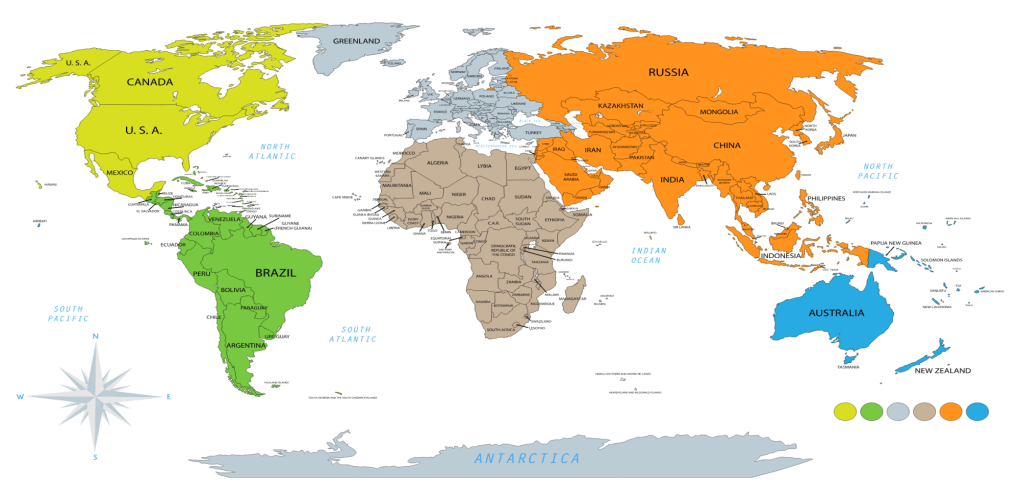
Countries Supported by ChiwawaPay
08 Nov, 2025

Send and Receive Payments with India
08 Nov, 2025
About ChiwawaPay
08 Nov, 2025