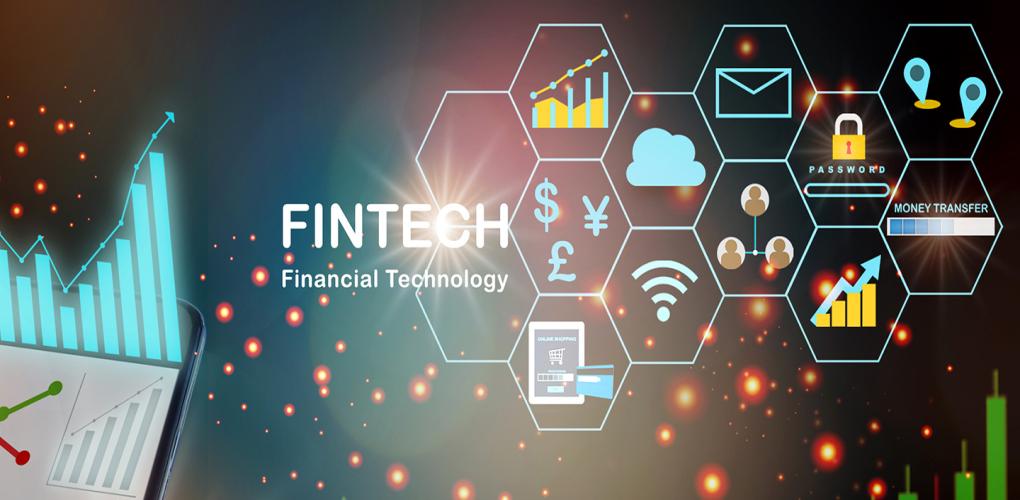
The Role of Mobile Financial Services (MFS) in Driving the Digital Economy
Mobile Financial Services: Reshaping the Digital Economy
The digital economy is evolving at an unprecedented pace, and Mobile Financial Services (MFS) sit at the center of this transformation. By integrating mobile banking, digital payments, and fintech innovation into everyday life, MFS has fundamentally altered how individuals, businesses, and governments conduct financial transactions. Beyond convenience, these services are driving financial inclusion, accelerating e-commerce, and redefining the structure of global finance.
Expanding Financial Inclusion and Accessibility
One of the most significant contributions of MFS is its capacity to reach unbanked and underbanked populations. Through mobile wallets and digital banking platforms, individuals in rural and underserved regions can access essential financial services such as money transfers, utility payments, savings tools, and microloans. The removal of geographical and infrastructural barriers reduces dependence on physical bank branches and lowers transaction costs. As a result, millions gain entry into the formal financial system, strengthening household resilience and stimulating local economic activity.
Powering the Growth of E-Commerce
MFS has become a foundational pillar of modern e-commerce. Secure mobile payments, QR-code checkouts, and integrated digital wallets allow consumers to complete transactions instantly from virtually any location. For businesses, mobile payment gateways provide access to broader markets, streamline checkout experiences, and reduce friction in cross-platform sales. The reliability and speed of mobile-based transactions enhance customer trust, directly supporting higher conversion rates and global expansion strategies.
Accelerating the Shift Toward a Cashless Economy
The transition toward cashless systems is accelerating, with MFS leading the shift. Peer-to-peer transfers, contactless payments enabled by near-field communication (NFC), and app-based payment ecosystems are steadily reducing reliance on physical currency. Governments and financial institutions promote these systems to increase transactional transparency, strengthen tax compliance, and mitigate the operational and security risks associated with cash handling. Digital payment infrastructures also create more accurate economic data, supporting informed policy decisions.
Empowering Entrepreneurs and Small Businesses
Mobile Financial Services have lowered entry barriers for entrepreneurs and small enterprises. Tools such as mobile banking applications, microfinance platforms, and integrated payment solutions provide capabilities once limited to large corporations. Automated invoicing, subscription billing, digital bookkeeping, and real-time financial analytics enable more efficient cash flow management and strategic planning. This democratization of financial tools supports innovation, enhances operational agility, and improves long-term business sustainability.
Simplifying Cross-Border Transactions and Remittances
Traditional international payments are often slow, opaque, and expensive. MFS platforms address these inefficiencies through digital wallets, blockchain-supported transfers, and integrated mobile banking networks that reduce settlement times and transaction fees. Faster and more transparent remittance channels are particularly critical for developing economies where households depend on cross-border income. These improvements strengthen global trade links and enhance economic interconnectedness.
Strengthening Security and Fraud Prevention
As digital transaction volumes grow, robust security frameworks become essential. MFS providers deploy multi-factor authentication, biometric verification, end-to-end encryption, and artificial intelligence–driven fraud detection systems to safeguard users and financial data. Continuous monitoring and risk-scoring mechanisms help detect anomalies in real time, reducing exposure to cyber threats. Strong security architecture reinforces user confidence and supports broader adoption of digital financial ecosystems.
Enhancing Government and Public Sector Services
Public sector institutions increasingly rely on mobile financial platforms to improve efficiency and accountability. Government-to-person (G2P) payments, digital tax collection systems, and social welfare disbursements can be executed more quickly and transparently through mobile channels. Digitized payment trails reduce leakage, limit corruption risks, and lower administrative costs. The integration of MFS into public financial management enhances service delivery and broadens citizen access to essential programs.
The Future of MFS in the Digital Era
The trajectory of Mobile Financial Services points toward deeper integration with emerging technologies. Decentralized finance (DeFi), artificial intelligence–driven advisory systems, embedded finance within non-financial platforms, and advanced data analytics are expanding the functional scope of mobile financial ecosystems. These developments are likely to produce more adaptive, personalized, and efficient financial services while continuing to reduce structural barriers to participation.
Mobile Financial Services have become a structural component of the digital economy. By narrowing financial divides, enabling cashless transactions, and supporting entrepreneurial growth, MFS contributes directly to sustainable economic development. As fintech innovation progresses, its influence on global finance will intensify, shaping a system that is increasingly accessible, secure, and interconnected.
Latest Blog
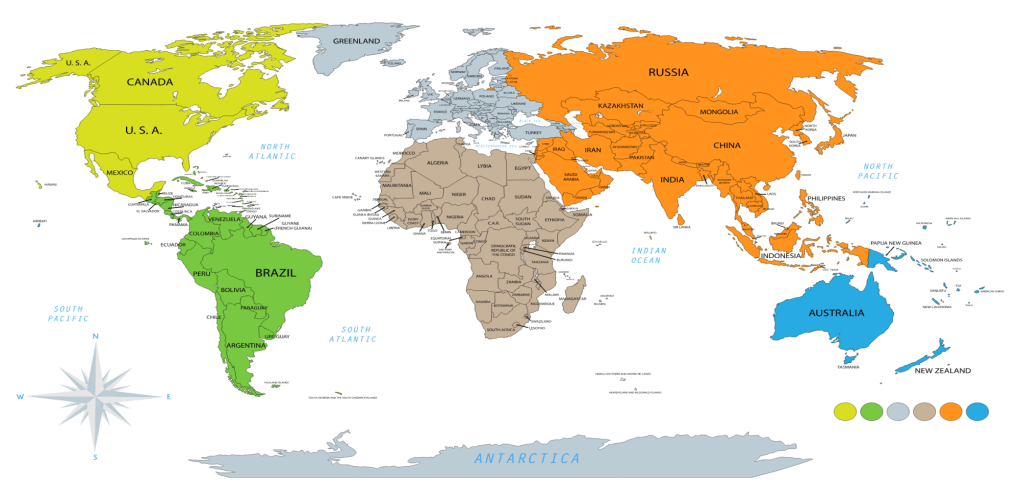
Countries Supported by ChiwawaPay
08 Nov, 2025

Send and Receive Payments with India
08 Nov, 2025
About ChiwawaPay
08 Nov, 2025